The first PC builds and community reaction Early PC ports of mobile hits often feel like translations rather than native creations. Supernova’s initial PC builds were serviceable but bore traces of that translation process: UI elements designed for touch, scale inconsistencies at high resolutions, occasional input mapping oddities and performance hiccups on certain GPU/driver combinations. Players praised the expanded narrative threads and new ship classes, but forum threads quickly filled with reports of crashes, audio desyncs, and save-corruption edge cases after extended sessions. For many, the emotional core of the game—piloting a battered ship through neon-smoothed asteroid fields while an earnest soundtrack swelled—remained intact, and there was ample goodwill that the developer could turn these issues around.
The social dimension: players as co-creators What the PC patch journey made clear was that players are not passive consumers; they are collaborators in a sense. Their bug reports, logs, and carefully distilled repro steps were as valuable as any in-house test suite. The community’s role expanded into QA, design feedback and even content suggestion. When a patch introduced a new enemy variant that many players found exhilaratingly brutal, forum threads lit up with tactical guides and ship builds that turned a developer tweak into a new meta. That feedback loop—bug report, patch, community adaptation—became the living ecosystem around Supernova. Galaxy On Fire 2 Supernova Pc Patch
Aesthetic and cultural notes Supernova’s aesthetics—its neon-lit stations, retro-future panels and evocative score—acted as adhesive. Technical patches could fix crashes and rebalance weapons, but the game’s enduring appeal rested on these sensory elements. Players often recounted moments that no patch could make better, small scenes of quiet wonder: a silent, empty battlefield after a swarm was repelled, a sunset seen from a refueling outpost, a ragged conversation over a crackling comm channel. These memories framed the patch cycle as stewardship rather than mere maintenance—a stewardship of atmosphere and tone. The first PC builds and community reaction Early
Technical nuance: engines, assets and porting tradeoffs Underneath the visible fixes lay trickier engineering choices. Supernova’s assets were created with mobile constraints in mind—texture atlases, compressed audio formats, and shader tricks designed to run efficiently on ARM GPUs. When these assets were unpacked for high-end PC hardware, problems could emerge: compressed audio could reveal artifacts at higher sample rates, or texture filtering exposed seams that mobile hardware’s bilinear sampling had masked. Patches therefore needed to juggle two objectives: preserve the game’s artistic intent and upgrade asset pipelines enough to satisfy PC expectations without bloating the install size or breaking licensing constraints for third-party tools. For many, the emotional core of the game—piloting
About the author

Mihael Trifonov
Mihael joined MConverter as a co-founder in 2023, bringing a vision to transform a tech tool into a product company built around meaningful user experience. With roots in B2B sales, product development, and marketing, he thrives on connecting the dots between business strategy and customer needs. At MConverter, he shapes the bigger picture - building the brand, inspiring teams, and pushing innovation forward with a can-do mindset. For Mihael, it’s not just about file conversions, but about creating experiences that deliver real impact.
Check out more articles
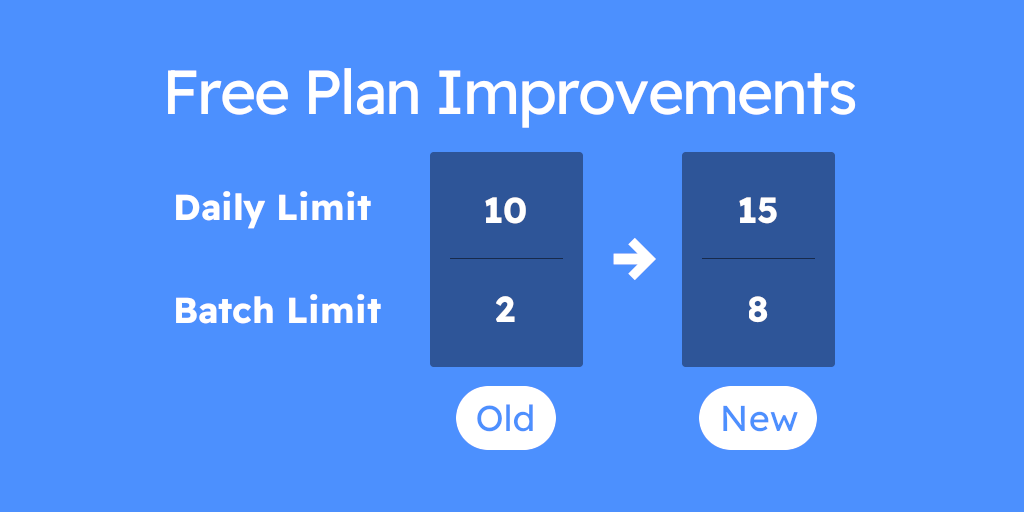
Our Free Plan Just Got Better
Is Anyconv Safe: Anyconv Review – Is It Safe or Risky?